The Productive Capacity Supercycle

Capital is returning to the physical world — to the machines, the energy, and the industrial power through which nations act.
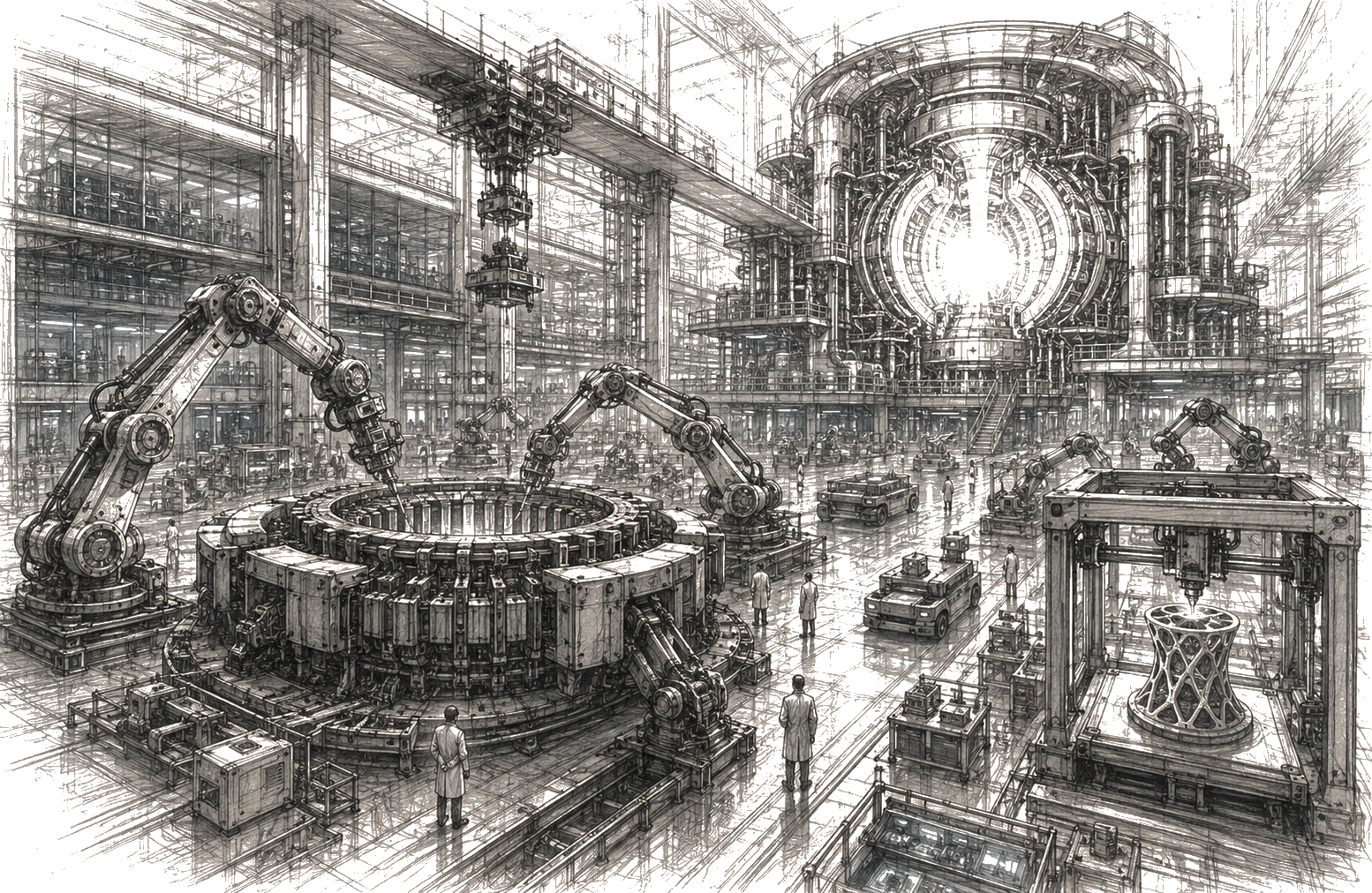
The Productive Capacity Supercycle is an ongoing argument about the return of productive capacity as the primary determinant of economic power, technological progress, and national strength. It is published in public, installment by installment, and intended to be read as a whole.

The Argument

One continuous argument, built in public and meant to be read as a whole. Each installment is a chapter: completed chapters are permanent, and those in preparation are named here as the work develops.

  1. I

    Published · September 2026

    The Productive Capacity Supercycle

    Every era of capitalism assigns capital a center of gravity. Ours has moved — and the movement is cyclical.

    Read the installment →
  2. II

    In preparation

    Category Foresight

    How categories are anticipated before consensus can name them.

  3. III

    In preparation

    Structural Mispricing

    Why markets misprice companies whose demand is written in national budgets.

  4. The argument continues as the work develops.

Notes

Working observations surrounding the main argument — research notes, historical discoveries, charts, books, and field observations. Where the essays define the framework, the notes are the working margins around it.

All notes →

Foundations

Earlier writing, arranged by intellectual lineage rather than chronology — the questions that led here, and how the framework came to be.

Library

A research library of the primary sources the work is built on. Arranged by theme, it is meant to show the ground beneath the argument — and to become, in time, a standing archive in its own right.

Books · Historical documents · Government reports · Academic papers · Primary sources

Enter the Library →

About

What I study. The migration of capital back into the productive economy — defense, space, energy, autonomy, and the industrial substrate of intelligence.

Why I write. To think in public as the shift happens, and to keep a permanent record of an argument as it is built rather than after the fact.

Why these ideas matter. Because the reallocation of the world’s marginal capital will reorganize where wealth is created over the coming decades — and reading it early is the central task.

About the work →